Discover Professional Water Line Repair Experts in Lawrenceville
Skilled Water Line Restoration: Rapid, Reliable Solutions for Your Home or Business
Water line issues can cause major complications for both residential and commercial properties. Frequent symptoms include seepage, inconsistent water pressure, and unanticipated alterations in water quality. Handling these issues promptly is crucial to avert substantial property damage and copyright a healthy environment. Professional repair services offer technical proficiency and cutting-edge equipment to tackle these problems efficiently. Understanding the intricacies of water line repair can aid property owners make well-informed choices when faced with such issues.
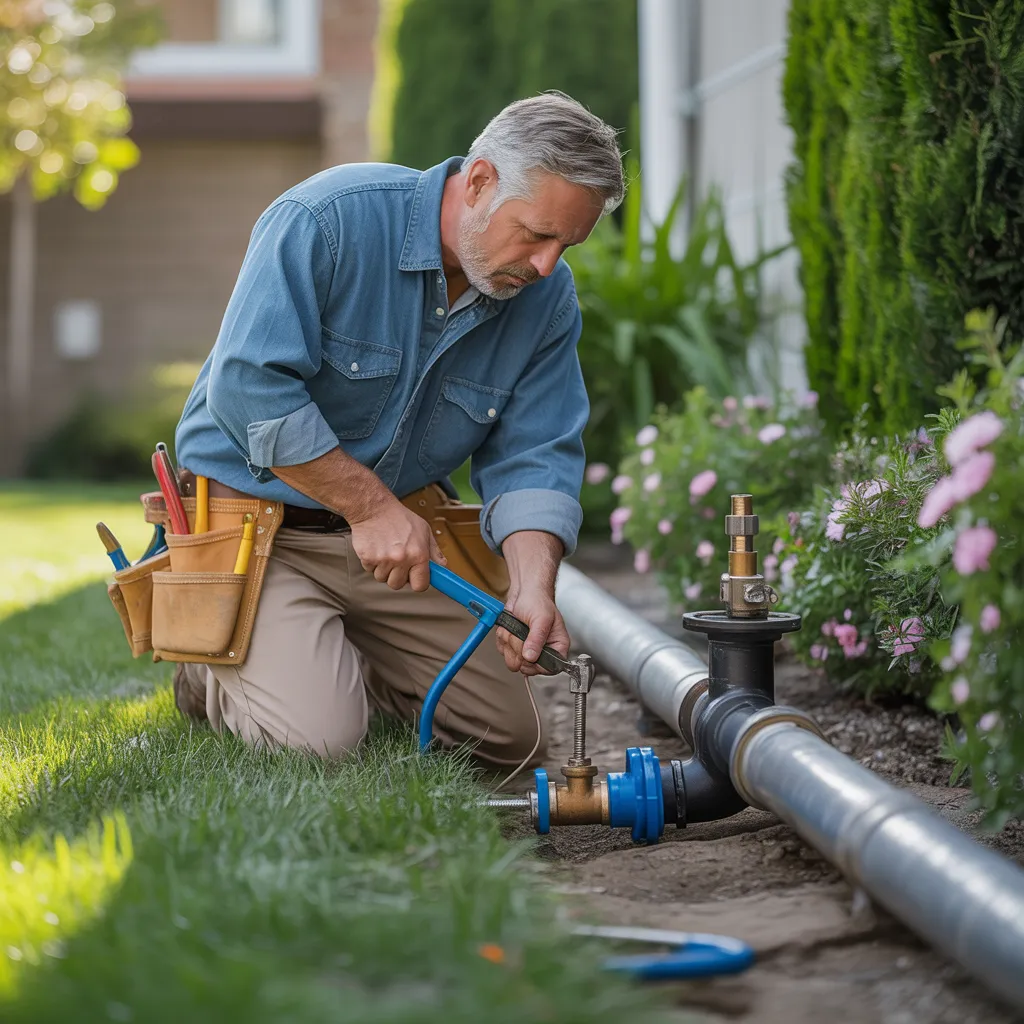
Frequent Water Line Troubles: What to Be Aware Of
Which indicators point to a potential water line issue? Property owners should stay observant for several significant indicators. One of the clearest signs is an abrupt spike in water bills, which might signal a hidden water leak. Moreover, unexplained wet areas or standing water in landscaped areas or lower levels often point to a failing line. Fluctuations in water pressure, such as a noticeable drop or inconsistent flow, frequently indicate possible issues. Foul smells or tainted water could suggest contamination or pipe corrosion. Moreover, audible signs like running water or bubbling in plumbing fixtures and drainage systems often point to leaks. Finally, apparent cracks or structural erosion could also point to water line complications. Identifying these indicators promptly can minimize significant damage and high repair costs later, stressing the significance of ongoing surveillance and care.
The Importance of Timely Water Line Repairs
How vital is it for homeowners to tackle water line problems promptly? Prompt repairs can keep minor leaks from escalating into major problems, safeguarding both the property and its occupants. Water line problems, if left unaddressed, can bring about structural damage, mold growth, and increased water bills. Deferring repairs may result in more significant damage, needing costly fixes that would have been avoided.
Additionally, swift interventions work to preserve water quality. Pollutants can infiltrate compromised lines, posing health risks to residents. Homeowners should acknowledge the critical nature of acting swiftly, as quick repairs can also boost property value. A well-maintained plumbing system is an attractive feature for potential buyers.
The Professional Water Line Repair Procedure
Professional water line repair starts with a detailed initial assessment to identify the source and extent of the concern. Upon completing this evaluation, various repair techniques are implemented explore article based on the unique aspects of the damage. Understanding these steps is vital for successful resolution and restoration of service.
Primary Evaluation Steps
A successful water line repair starts with a comprehensive initial assessment, crucial for determining the source and extent of the problem. Professionals typically start by performing a visual inspection of the property, checking for signs of water damage, wet spots, or unusual water pressure levels. They may also examine for any visible leaks or corrosion along the water lines. Employing specialized equipment, such as moisture meters and video cameras, technicians can additionally inspect underground or hidden pipes. Gathering this information allows them to determine whether the issue is a minor leak or a substantial break. Thorough assessment confirms that subsequent repair strategies are tailored to the specific problem, ultimately leading to a more efficient and effective resolution.
Overview of Repair Techniques
After the initial assessment is finished, experts employ multiple repair techniques customized to the specific issue at hand. For minor leaks, sealants and epoxy compounds may be applied, efficiently sealing cracks without major disruption. In cases of substantial damage, pipe replacement becomes essential; this involves excavating the affected area and installing new piping. Trenchless repair methods offers a less invasive solution, permitting repairs without major digging. Furthermore, technicians may employ video inspection tools to verify the integrity of repairs and identify potential future problems. Each technique is selected based on factors such as the severity of the damage and the location of the water line, guaranteeing an efficient and lasting solution for both residential and commercial properties.
Benefits of Expert Water Line Repair Services
While some homeowners may contemplate undertaking water line repairs independently, the perks of hiring professional services generally outweigh the expected savings. Professional plumbers deliver technical knowledge and experience, confirming that repairs are carried out accurately and efficiently. They have sophisticated tools and equipment that aren't accessible to the average homeowner, permitting comprehensive inspections and precise repairs.
Additionally, professionals can swiftly identify underlying complications that may not be instantly apparent, avoiding future complications. Their knowledge generally produces faster service, reducing the time the property is subjected to water line problems. What's more, hiring professionals typically includes a assurance or guarantee on their work, delivering peace of mind that potential problems are less likely.
Finally, the investment in professional water line repair services can result in long-term savings by mitigating the risk of significant damage and costly future repairs.
Should You Tackle It Yourself or Hire a Professional?
Considering whether to tackle a DIY water line repair or hire a professional can be challenging for homeowners, as both options present distinct advantages and risks. On one hand, DIY repairs can cut expenses and offer a sense of accomplishment. Homeowners with plumbing knowledge may find minor issues feasible, potentially avoiding expensive service fees. However, the risks linked to DIY repairs can be major, including inadequate fixes that bring about more extensive damage and high-priced repairs down the line.
Conversely, engaging a professional ensures expert analysis and repair, reducing the probability of future complications. Professionals come equipped with specialized tools and experience, allowing them to handle complicated problems proficiently. While the upfront cost can be higher, the long-term assurance and reliability can justify the investment. In the end, homeowners need to weigh their skills, the extent of the problem, and their budget when deciding between DIY and professional repair.
The Way to Pick the Best Water Line Repair Experts
Selecting the right water line repair professionals requires several critical considerations. Homeowners should verify that contractors possess the necessary licensing and insurance, assess their experience and expertise, and compare rates and estimates from multiple sources. This diligent evaluation ensures that the selected experts are qualified and offer competitive value for their services.
Confirm Licensing And Insurance
How do homeowners make certain they select the most qualified professionals for water line repairs? One essential step is to check that the contractors hold the appropriate licenses and insurance. Licensed professionals have met state and local requirements, confirming they possess the skills and knowledge needed for the job. Homeowners should obtain proof of licensing and confirm its validity through local regulatory authorities. Additionally, insurance is essential as it protects both the homeowner and the contractor in case of accidents or damages during the repair process. A reputable water line repair professional will willingly provide documentation of their insurance coverage. By confirming these credentials, homeowners can evade potential risks and make informed decisions when choosing a repair service.
Appraise Experience And Expertise
Experience and expertise play pivotal roles in selecting the best professionals for water line repairs. Property owners and commercial managers ought to look for technicians who have demonstrated success in this area. This usually requires assessing their tenure in the field and the diversity of work they've performed. Familiarity with contemporary repair methods and tools is critical, ensuring the repair work is both streamlined and successful. Furthermore, technicians knowledgeable about regional rules and plumbing standards offer reassurance that the job will meet requirements. Examining client testimonials and requesting referrals can additionally reveal a technician's dependability and competence. Overall, prioritizing experience and expertise can lead to successful and lasting water line repairs.
Compare Price Points And Price Quotes
What elements should property owners evaluate when reviewing costs and quotes for water line repairs? To begin with, it's important to evaluate the scope of work included in each estimate. Complete breakdowns aid in recognizing necessary repairs versus optional services. Homeowners should also consider the materials and methods proposed, as these can considerably affect lifespan and efficiency. Moreover, comparing warranties provided by different professionals can provide insight into the quality of their work. Homeowners should check for hidden fees or charges that may appear after the initial estimates. In conclusion, gathering multiple quotes allows homeowners to assess the market rate, ensuring they select a solution that balances quality and affordability, eventually leading to informed decision-making.
Proven Strategies for Water Line Preservation
Even though water lines are typically taken for granted, routine maintenance is essential for securing their longevity and ideal performance. Residents and business operators should carry out routine inspections to recognize signs of wear or potential leaks. Ensuring the area around water lines devoid of debris will help avoid physical damage and allow for easier access during inspections. It is also advisable to monitor water pressure; exceptionally high or low pressure can point to underlying issues that require attention. Routinely flushing the lines can help clear out sediment buildup, which may influence water quality and flow. Moreover, scheduling professional maintenance at least once a year provides an opportunity for complete checks and repairs. By adhering to these best practices, individuals can considerably reduce the risk of costly repairs and confirm their water systems operate efficiently. Correct maintenance not only prolongs the life of the water lines but also promotes a safe and healthy environment.
Common Questions
How Do I Know if My Water Line Needs Repair?
Indicators of a required water line repair include unexpected water bills, discolored water, damp areas in the yard, reduced water pressure, and visible leaks. Noticing these symptoms can indicate underlying issues requiring immediate attention.
What Are the Costs Associated With Water Line Repairs?
The costs associated with water line repairs typically range from $500 to $3,000, depending on factors such as the amount of damage, location, and materials used. Supplemental fees may apply for permits and labor.
Can I Completely Prevent Water Line Concerns Entirely?
Stopping water line problems entirely is difficult. Regular maintenance, prompt repairs, and monitoring for leaks can substantially reduce risks. Property owners should also consider seasonal inspections to resolve potential problems before they escalate into major repairs.
How Long Will a Standard Water Line Repair Take?
An average water line repair typically takes anywhere from a few hours to a full day, based on the extent of the issue, the depth of the pipe, and the accessibility of the repair area.
Which Materials Are Employed in Water Line Repairs?
Water line repair projects typically incorporate materials such as PVC, copper, or PEX piping, together with connectors, fittings, and sealants. Such materials provide long-lasting performance and dependability, serving multiple plumbing needs while sustaining system integrity over time.